


Scoliosis Chiropractor in Singapore
- Personalized, non-invasive treatment plans
- Improve spinal alignment
- Support long-term spinal health
Scoliosis is a complex spinal condition that affects people of all ages. Whether you are a teenager going through a growth spurt or an adult dealing with degenerative spinal changes, living with scoliosis can impact your posture, mobility, comfort, and overall quality of life. With early detection and the right chiropractic care, many patients are able to manage their symptoms effectively and live full, active lives.
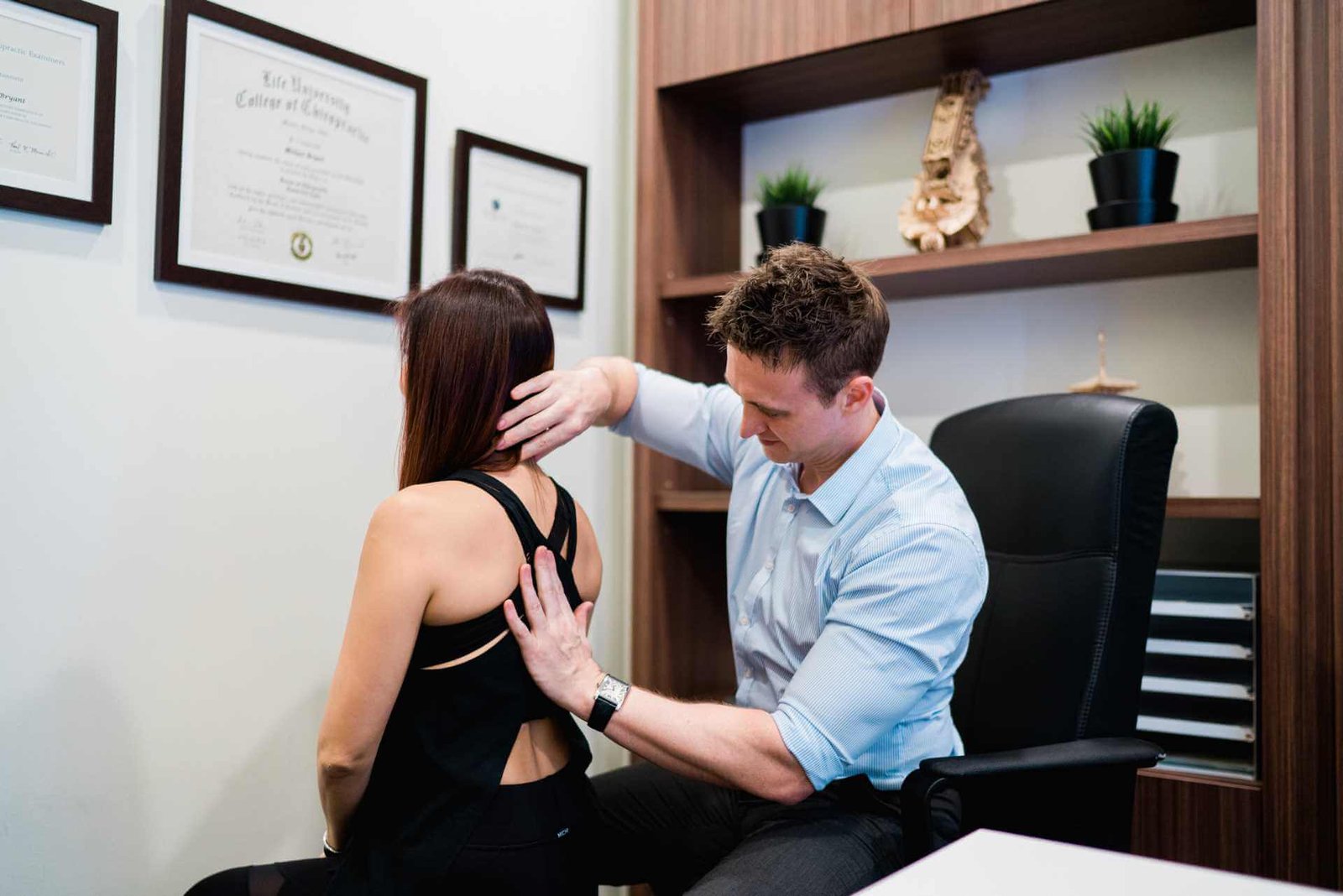
At Elite Spine Centres, our scoliosis chiropractors provide personalized, non-invasive treatment plans designed to improve spinal alignment, reduce pain, and support long-term spinal health.


What Is Scoliosis?
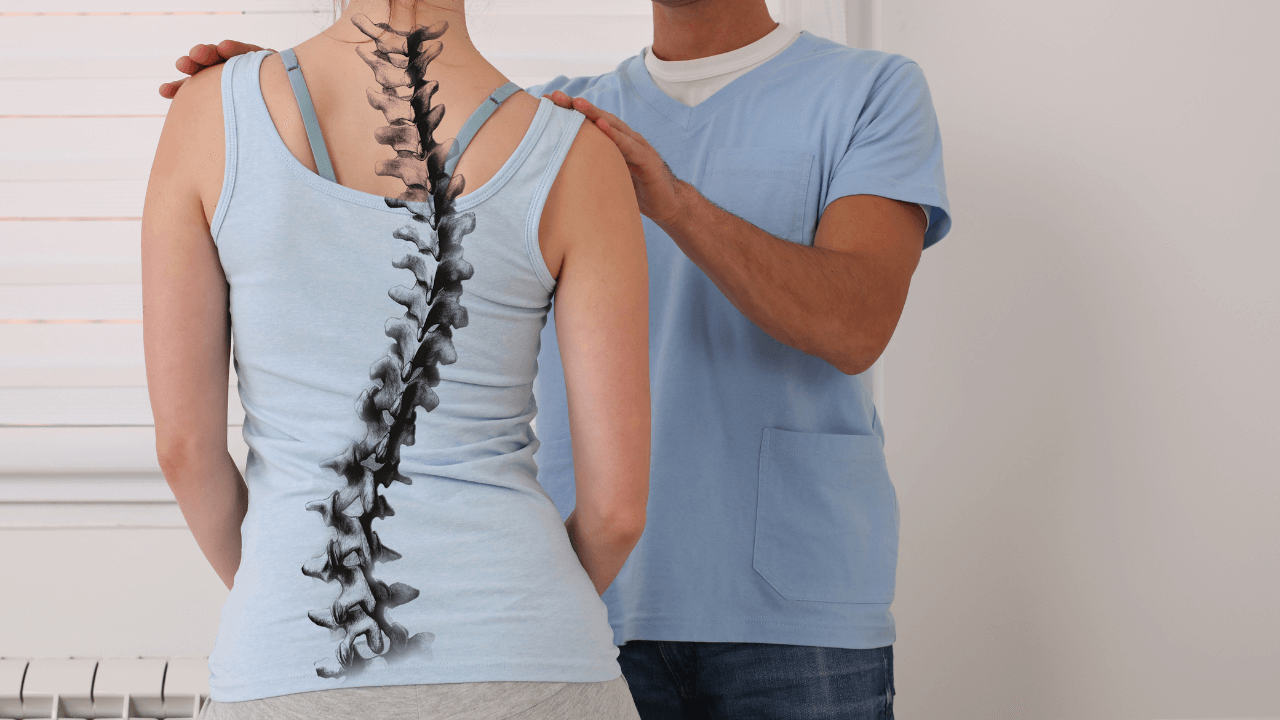
Scoliosis is an abnormal lateral curvature of the spine measuring greater than 10 degrees on an X-ray, often forming an “S” or “C” shape. In many cases, the vertebrae also rotate, causing the shoulders and hips to become uneven or the rib cage to appear asymmetrical.
Because the spine supports the body, protects the spinal cord, and enables movement, an abnormal curvature places uneven stress on the surrounding muscles, joints, and ligaments.
Causes and Risk Factors
The exact cause of scoliosis has not been fully determined. However, the following factors are associated with a higher risk:
- Family history of scoliosis.
- Rapid growth spurts during puberty, particularly in females.
- Neuromuscular conditions such as cerebral palsy or muscular dystrophy.
- Congenital spinal abnormalities present from birth.
- Age-related spinal degeneration in older adults.
- Uneven leg length, which can contribute to postural imbalances.
It is important to note that poor posture alone is not a primary cause of scoliosis. However, poor postural habits can worsen discomfort and muscular imbalance in those who already have the condition. Our posture correction service can help address these contributing factors as part of a broader care plan.
Signs & Symptoms of Scoliosis
Scoliosis can present in a variety of ways depending on severity, age, and type of curvature. Many adolescents with mild scoliosis experience little to no symptoms, while adults with degenerative scoliosis often deal with more chronic pain and functional limitations.
Visual Signs
- One shoulder or hip sits higher than the other.
- One shoulder blade protrudes more noticeably.
- A visible rib hump when bending forward.
- The body leans or tilts to one side.
- An asymmetrical or tilted waistline.
- Clothes that fit unevenly across the shoulders or hips.
- A visible curvature of the spine when viewed from behind.
Physical Symptoms
- Dull ache or pain in the lower or mid back.
- Muscle fatigue after prolonged sitting or standing.
- Numbness or weakness in the legs and feet.
- Reduced flexibility or stiffness that limits range of motion.
- Shortness of breath or breathing difficulty in severe cases.
- Difficulty walking or loss of leg muscle coordination.
- Gradual reduction in height due to spinal curvature.
If you are experiencing any of these signs, it is advisable to seek an assessment from a scoliosis chiropractor as soon as possible. You may also find it useful to review our back pain treatment page for more information on managing related spinal discomfort.
Types of Scoliosis
Idiopathic Scoliosis is the most common type, accounting for around 80% of cases. The cause is unknown, but genetics is believed to play a role. It is categorized by age of onset: infantile (0 to 3 years), juvenile (3 to 10 years), and adolescent (10 to 18 years). Adolescent idiopathic scoliosis is most commonly diagnosed during growth spurts and is more prevalent in teenage girls.
Congenital Scoliosis occurs when the spine develops abnormally before birth, with one or more vertebrae malformed or fused. Curvature becomes more apparent as the child grows, though pain is often minimal in early stages.
Neuromuscular Scoliosis develops alongside conditions such as cerebral palsy or muscular dystrophy, where muscle weakness or imbalance compromizes spinal stability and alignment.
Degenerative Scoliosis is an adult-onset form that results from age-related spinal changes including disc degeneration, arthritis, and osteoporosis. It tends to cause more chronic and persistent pain compared to adolescent forms.
How Is Scoliosis Diagnosed?
Diagnosis involves a combination of physical examination, medical history review, and imaging tests. Early detection is especially important for children and adolescents, as curves can progress rapidly during growth spurts.
Physical Examination
The Adams forward bend test is the most common initial screening method. The patient bends forward at the waist with arms hanging freely while the clinician checks for uneven shoulders, a prominent shoulder blade, a rib hump, or a visible spinal curve. A scoliometer may be used to measure the angle of trunk rotation.
Medical History Review
The clinician will ask about family history of scoliosis, recent growth spurts, presence of back pain, numbness or weakness, and any known neurological or muscular conditions. This helps determine the type and likely progression of the condition.
X-Ray Imaging
X-rays are the most reliable way to confirm a scoliosis diagnosis. Using the Cobb angle measurement, the clinician can confirm the presence of a spinal curve, measure its severity, and identify its location and pattern.
| Cobb Angle | Severity |
|---|---|
| 10 to 20 degrees | Mild |
| 20 to 40 degrees | Moderate |
| 25 to 40 degrees | Significant (bracing often considered) |
| 40 to 60 degrees | Severe |
| 40+ degrees | Surgery may be recommended |
Additional Imaging
- MRI scan: Ordered when neurological symptoms are present or the curve pattern is unusual.
- CT scan: Used for detailed bone structure analysis.
- Bone age test: Used for adolescents to estimate remaining skeletal growth.
Ongoing Monitoring
For children and adolescents with mild curves, follow-up appointments every four to six months are typically recommended to monitor progression during growth. For adults, ongoing imaging helps determine whether the condition is stable or progressing due to degeneration.
Scoliosis Treatment Options in Singapore
Treatment depends on the type, severity, and age of the patient:
- Observation: For mild cases, particularly in children, the condition may be monitored over time to ensure it does not worsen.
- Chiropractic care: A non-invasive approach that focuses on managing symptoms, improving spinal alignment, reducing pain, and supporting long-term spinal health. Particularly beneficial for mild to moderate curves.
- Bracing: Typically recommended for adolescents with curves of 25 to 40 degrees to prevent further progression until skeletal maturity.
- Surgery: Reserved for severe cases, particularly patients with curves exceeding 40 to 60 degrees or significant neuromuscular involvement.
At Elite Spine Centres, we provide a bridge between observation, chiropractic care, and bracing, offering a comprehensive and integrated approach that most traditional clinics do not.
Chiro Scoliosis Treatment at Elite Spine Centres
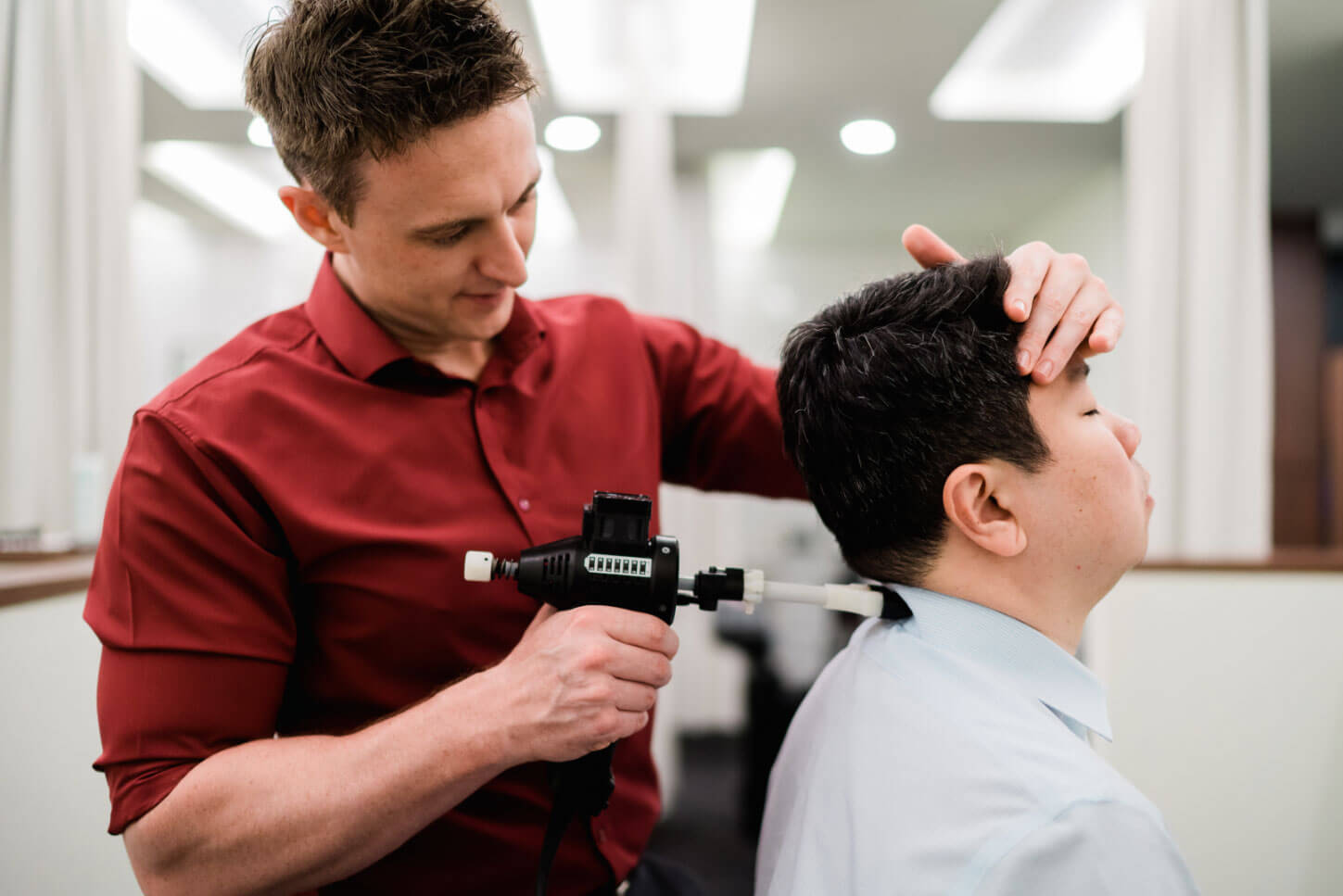
While chiropractic care is not a cure for scoliosis, it is one of the most effective non-invasive options for managing the condition. Our scoliosis chiropractors focus on reducing pain, improving joint mobility, slowing progression, and supporting musculoskeletal balance. Unlike surgery, there is no recovery time, no risk of wound infection, and no ongoing reliance on medication.
Chiropractic scoliosis treatment is particularly beneficial for:
- Adolescents managing muscular discomfort and postural imbalances during growth.
- Adults with degenerative scoliosis seeking to reduce chronic pain and avoid surgery.
- Anyone who wants to maintain spinal health and improve quality of life without medication or invasive procedures.
Our Functional Correction Method (FCM)
No two cases are the same, and every treatment plan is tailored to the individual. Our signature approach combines four key elements under one roof:
- Modern chiropractic techniques including spinal adjustments to improve joint mobility and reduce strain around the curvature.
- Manual soft tissue therapies to relieve muscle tension caused by the imbalances scoliosis creates, as muscles tend to be tight on one side and weakened on the other.
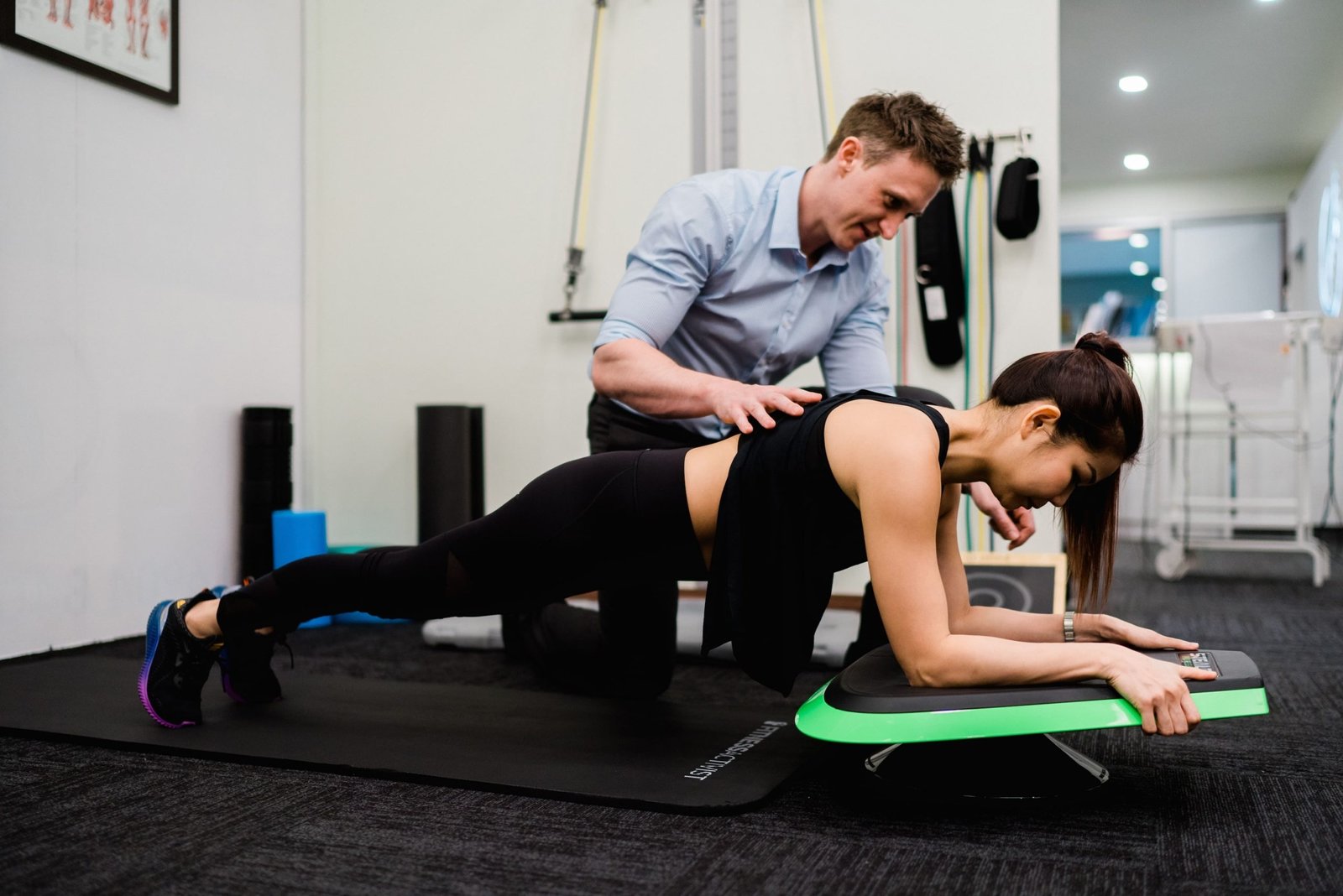
- Customized rehabilitation exercises including Schroth-based exercises, core strengthening, and corrective movements to improve posture and spinal stability.
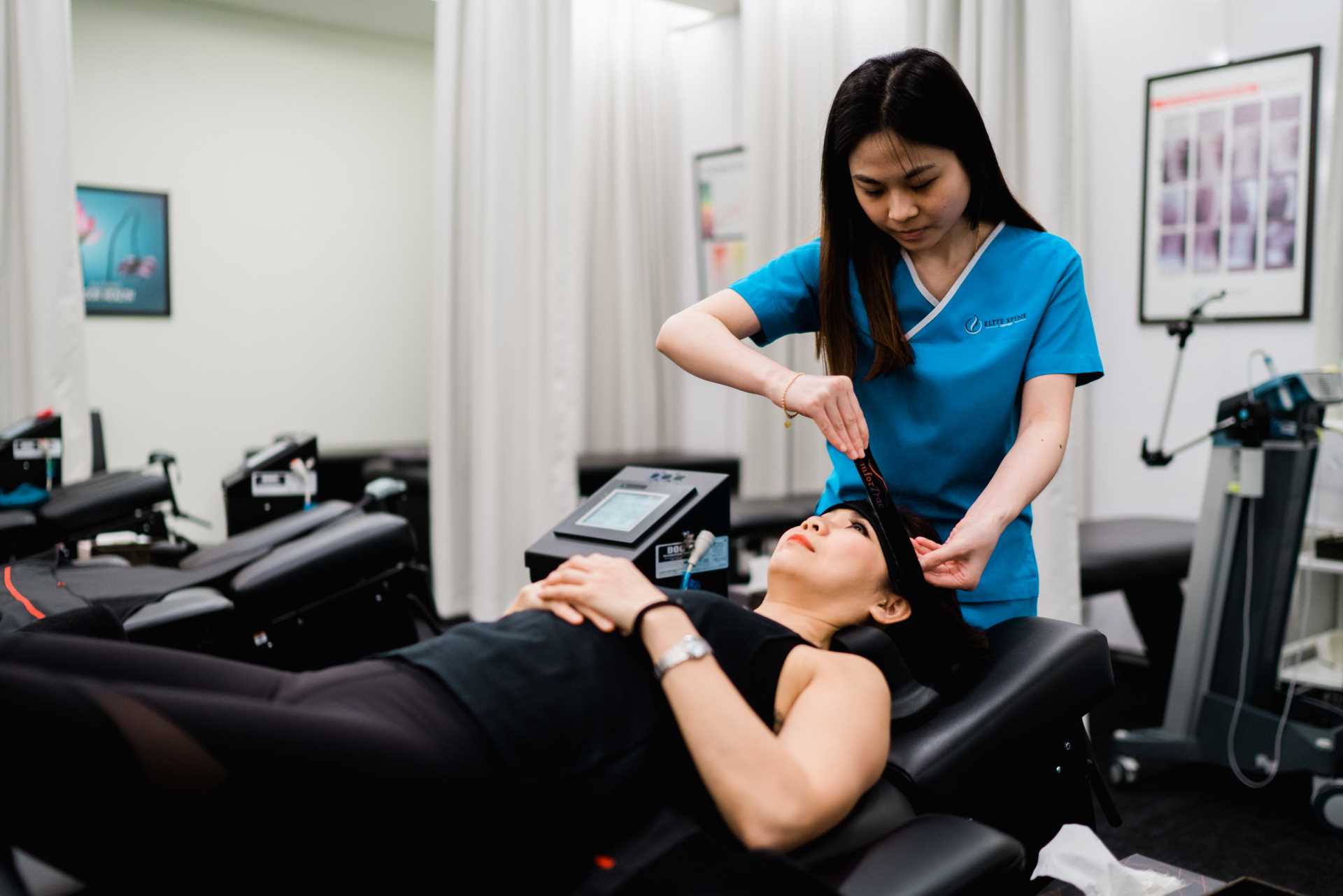
- Conservative healing technologies including spinal decompression therapy, low-level laser therapy, and advanced radial shockwave therapy.
Enjoy Our New Patient Promo for Only $88 When You Book Online!
We know that seeking chiropractic help for the first time may be overwhelming to many patients.
Hence, we prepared a special introductory package covering almost everything you need for your first two visits to our clinic!
When you book now, you’ll get our:
- Relieve pain, restore your body’s natural function & avoid surgery with our Signature Functional Correction Method (FCM)
- Get spot-on analysis and professional advice on what’s causing pain, and how to treat it with our Doctor’s Consult + Examination
Schedule your appointment right now & we’ll EVEN throw in these bonuses for FREE!
- Break down stubborn muscle knots and old scar tissue with or Doctor Directed Soft Tissue Mobilization
- Calm down & relax with our soothing ATT-300 roller massage bed
- Get a free Follow Up Consult + Xray/ MRI Review (*T&C applies)
PLUS 1 Additional Bonus Therapy (tailored specifically to you by the doctor after your consult)
- Relieve pain & inflammation with our Radial Shockwave Therapy
- Accelerate tissue healing and reduce pain with our Cold Laser Therapy
- Strengthen injured muscles and ease muscle tension with our Electric Muscle Stimulation
- Intuitive Pain Management Solution with our Super Inductive System (SIS)
*You get ALL of this for just $88
(originally priced @ $248).
Hear What Our Patients Say
As Seen In








FREQUENTLY ASKED QUESTIONS
Can a chiropractor treat scoliosis in Singapore?
Chiropractic care cannot cure scoliosis, but it is an effective way to manage symptoms. A scoliosis chiropractor uses spinal adjustments, soft tissue therapy, and corrective exercises to reduce pain, improve mobility, and support better posture.
At what degree of scoliosis should I seek treatment?
A spinal curvature of 10 degrees or more is classified as scoliosis. Mild curves are managed conservatively through chiropractic care and corrective exercise, while curves above 40 degrees may require more intensive intervention, including possible surgery. Early assessment is always recommended.
Is scoliosis treatment painful?
Chiropractic scoliosis treatment is designed to be gentle and well-tolerated. Some patients experience mild muscle soreness after initial sessions, similar to the sensation after exercise, but this typically resolves quickly.
How long does scoliosis treatment take?
Duration depends on the type and severity of the curvature, your age, and how your body responds to care. Your clinician will outline a clear treatment schedule following your initial assessment.
Is scoliosis a permanent condition?
Yes. The focus of treatment is management rather than cure. With consistent care, many patients live comfortably and actively with scoliosis.
Who is most at risk of developing scoliosis?
Females are diagnosed approximately eight times more often than males during childhood and adolescence, largely due to hormone-driven growth spurts during puberty. Others at higher risk include those with a family history of the condition, individuals with neuromuscular disorders, and older adults experiencing degenerative spinal changes.
What to expect in my scoliosis treatment?
Treatment typically progresses through three phases:
- an initial phase with more frequent visits to address pain, inflammation, and mobility restrictions;
- a stabilisation phase where frequency reduces as symptoms improve;
- and a maintenance phase with periodic visits to sustain spinal health.
Some patients notice meaningful improvements within several weeks, while others with more complex presentations benefit from an ongoing plan. Your clinician will outline a clear schedule following your initial assessment.
What are the healthy habits to support the scoliosis management?
- Maintain a consistent exercise routine with low-impact activities such as swimming and cycling to strengthen core muscles and support the spine.
- Practice good posture by keeping the head aligned with the body when standing and avoiding prolonged static positions.
- Incorporate stretching and flexibility exercises such as the cat-cow pose to relieve muscle tension and maintain spinal mobility.
- Use stress-reduction techniques including deep breathing and meditation, as chronic stress can exacerbate pain and muscle tension.
- Seek community support by connecting with others living with scoliosis for encouragement and shared experience.
Why choose Elite Spine Centres for scoliosis treatment in Singapore?
- Decades of combined clinical experience treating scoliosis across all age groups.
- Personalized, non-invasive treatment plans built around each patient’s specific needs and goals.
- Signature Functional Correction Method (FCM) integrating chiropractic care, soft tissue therapy, rehabilitation, and advanced technology.
- Patient education at every step so you understand your condition and your options.
- A one-stop chiropractic centre, reducing the cost and inconvenience of attending multiple clinics.
- A holistic approach that addresses pain, alignment, posture, and long-term spinal health together.
For an evidence-based overview of scoliosis management, the National Institute of Arthritis and Musculoskeletal and Skin Diseases (NIAMS) provides authoritative guidance on diagnosis, monitoring, and treatment options.