location icon

Parkview Square #14-01, 600 North Bridge Road, Singapore 188778

email icon

Send Us a Message: info@elitespinecentres.com

Myofascial Release Singapore 

Experiencing tension within the body? Suffering from pain, stiffness, or limited mobility?

Myofascial release may be the solution. This specialized treatment targets restrictions in the body’s muscles and connective tissue, restoring flexibility, allowing more comfortable movement, and improving overall musculoskeletal health.

What Is Myofascial Release?

Myofascial release is a specialised hands-on therapy designed to relieve tension and restrictions within the body’s muscles and fascial system. Fascia is a thin but strong layer of connective tissue that surrounds and supports the muscles, bones, nerves, and organs throughout the body. It forms a continuous, web-like structure that maintains stability while allowing for smooth, coordinated movement.

Under normal conditions, fascia is flexible and elastic, allowing muscles and joints to move freely. However, it can become tight or restricted due to injury, repetitive strain, poor posture, or chronic stress. When this happens, the restricted tissue places pressure on surrounding muscles and nerves, which can lead to pain, stiffness, and reduced mobility.

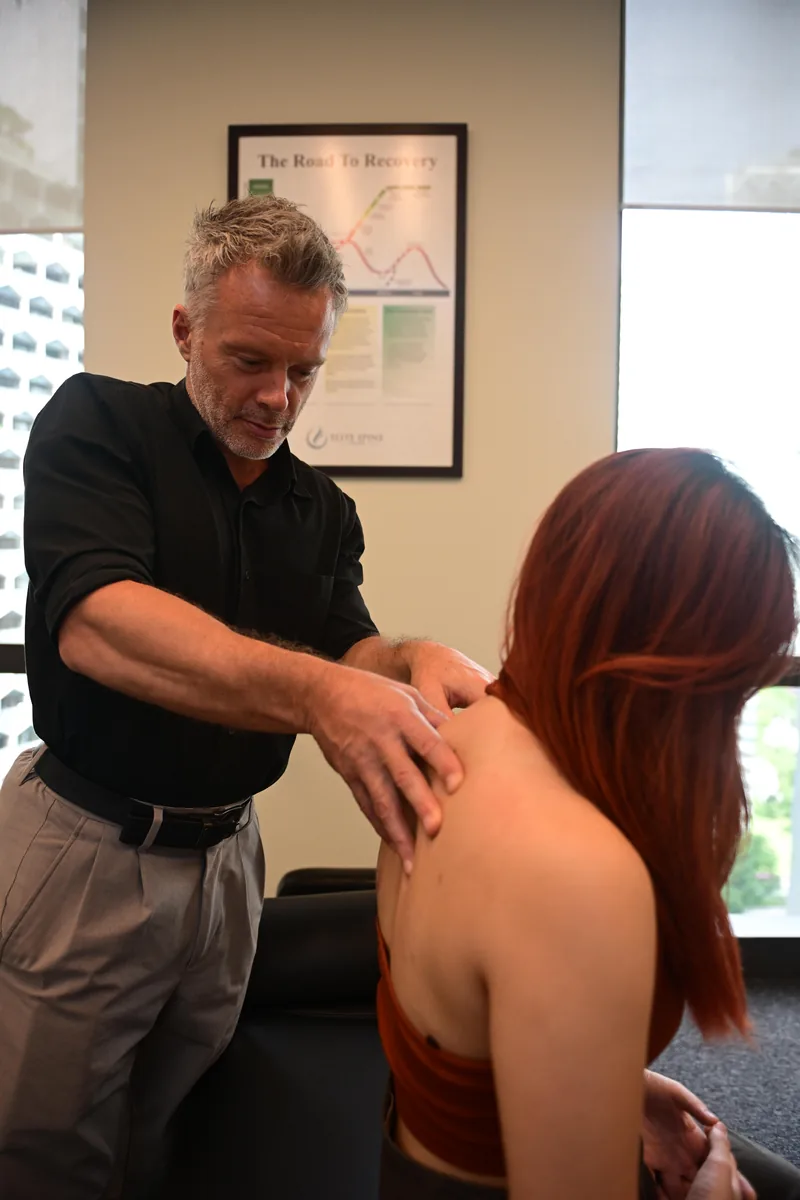
Myofascial therapy is designed to gently stretch and release these restrictions. Practitioners apply sustained pressure to the affected areas, helping to restore flexibility and balance within the connective tissues. The approach focuses on improving movement, reducing pain, and supporting overall musculoskeletal health.

What Conditions Can Myofascial Release Help With?

Because fascia connects structures throughout the entire body, restrictions in one area can cause symptoms in other regions. Myofascial release can be beneficial for a wide range of musculoskeletal conditions, including:

  • Chronic neck and back pain
  • Shoulder tension and limited movement
  • Sports injuries and muscle strain
  • Postural issues caused by prolonged sitting
  • Headaches and tension-related pain
  • Hip and pelvic tightness
  • Muscle stiffness or reduced flexibility

Myofascial massage can also benefit individuals managing chronic pain conditions such as fibromyalgia, which causes widespread muscle tenderness and fatigue. By releasing fascial restrictions, the therapy helps improve circulation, reduce pressure on nerves, and support better muscle function.

Myofascial release is also frequently used by athletes and active individuals to support recovery from intense physical activity and to reduce the risk of recurring injuries.

Surgical Spinal Decompression Therapy
Elite Spine Team

How Does Myofascial Release Work?

Myofascial therapy works by applying sustained, gentle pressure to areas where the fascia has become tight or restricted. Unlike traditional massage techniques that use rapid or rhythmic movements, a myofascial massage session is deliberately slow and targeted.

During treatment, the practitioner assesses the body’s movement patterns and tissue tension to identify areas of fascial restriction. Pressure is then applied using the hands, fingers, or forearms to gradually stretch and soften the fascia. Under sustained pressure, the connective tissue slowly begins to lengthen and release, a process that can take anywhere from 90 seconds to several minutes per area.

The goal is to allow the fascia to return to a more natural, flexible state without forcing the tissue. Because fascia is closely connected to the nervous system, this gentle approach can also help calm the body’s stress response. As tension releases, muscles relax, circulation improves, and movement becomes easier and more comfortable.

What to Expect During a Myofascial Release Session

Sessions typically begin with a consultation and physical assessment. Your practitioner will evaluate your posture, range of motion, and areas of tension or restricted movement to identify the fascial restrictions contributing to your pain or stiffness.

During treatment, you will lie comfortably on a treatment table while the practitioner applies gentle pressure and stretching techniques to specific areas of the body. You may experience sensations of warmth, gentle stretching, or a gradual release of tension. Some areas may feel slightly tender at first, but the pressure is carefully applied and consistently adjusted to maintain comfort throughout the session.

Some patients report feeling immediate relief, including improved mobility, reduced muscle tension, and a general sense of relaxation. Others with more persistent or deep-seated fascial restrictions may benefit from a series of sessions to achieve full results.

Who Should Consider Myofascial Therapy?

Myofascial release is suitable for a wide range of people, from those managing chronic pain to active individuals looking to improve flexibility and prevent injury. Because the therapy focuses on restoring balance within the connective tissues, it adapts well to different lifestyles and activity levels. It is particularly beneficial for:

  • Office workers who spend long hours sitting at a desk.
  • Athletes managing muscle tightness or overuse injuries.
  • Individuals with chronic neck or back pain.
  • People recovering from physical injuries.
  • Those with limited flexibility or restricted range of motion.

Because muscles throughout the body are connected via fascia, releasing a restriction in one area can produce improvements in multiple regions simultaneously. The treatment is non-invasive and fully adaptable, with each session modified to suit the individual’s needs and comfort levels.

Myofascial release pairs well with other therapies available at Elite Spine Centres. If you are also dealing with joint or nerve-related discomfort, our spinal decompression or neuropathy treatment services may complement your care plan. Those with shoulder-related fascial tension may also benefit from our shoulder pain treatment.

Elite Spine Team

Myofascial Release in Singapore: Our Approach

At Elite Spine Centres, we take a comprehensive approach to musculoskeletal health. Rather than focusing solely on spinal alignment and joint movement, we also address the surrounding muscles and connective tissues that support these structures, which is where myofascial therapy plays a central role.

We begin every patient journey with a thorough assessment of posture, movement patterns, and areas of tissue tension. Once our trained practitioner has identified the underlying fascial restrictions contributing to your discomfort, treatment is focused on addressing root causes rather than simply masking symptoms.

By combining myofascial release with our chiropractic care, we offer a more complete approach to musculoskeletal health. Every patient receives a tailored treatment plan that considers their lifestyle, activity levels, and personal health goals, whether they are looking to reduce chronic pain, recover from injury, or improve overall mobility and movement quality.

For an overview of the clinical evidence supporting myofascial release therapy, the NIH National Library of Medicine provides peer-reviewed research on fascia myofascial release and its applications in musculoskeletal care.

FREQUENTLY ASKED QUESTIONS

What is the difference between myofascial release and a regular massage?

While both involve hands-on treatment, they work differently. A regular massage typically uses rhythmic or flowing movements to relax muscles. Myofascial release uses slow, sustained pressure held for 90 seconds or more to gently stretch and release restrictions within the fascia itself. The goal is to address the connective tissue that surrounds and supports the muscles, rather than the muscles alone.

How many myofascial release sessions will I need?

This depends on the nature and severity of your fascial restrictions. Some patients notice significant improvement after just one or two sessions, particularly for acute issues. Chronic or long-standing restrictions typically respond better to a series of sessions. Your practitioner will advise on the most appropriate course of treatment following your initial assessment.

Is myofascial release painful?

Myofascial release should not be painful. You may feel a mild sensation of pressure or slight tenderness in restricted areas, but the technique is deliberately gentle and non-forceful. If you experience any discomfort during a session, your practitioner will adjust the pressure immediately. Many patients describe the experience as deeply relaxing.

Can myofascial release be combined with chiropractic care?

Yes, and the combination is often more effective than either therapy alone. Chiropractic care focuses on restoring spinal alignment and joint function, while myofascial release addresses the connective tissues and muscles that support those structures. At Elite Spine Centres, both are frequently incorporated into a single, integrated treatment plan.

Spinal Decompression Image

Enjoy Our New Patient Promo for Only $88 When You Book Online!

We know that seeking chiropractic help for the first time may be overwhelming to many patients.

Hence, we prepared a special introductory package covering almost everything you need for your first two visits to our clinic!

When you book now, you’ll get our:

  • Relieve pain, restore your body’s natural function & avoid surgery with our Signature Functional Correction Method (FCM)
  • Get spot-on analysis and professional advice on what’s causing pain, and how to treat it with our Doctor’s Consult + Examination

Schedule your appointment right now & we’ll EVEN throw in these bonuses for FREE!

  • Break down stubborn muscle knots and old scar tissue with or Doctor Directed Soft Tissue Mobilization
  • Calm down & relax with our soothing ATT-300 roller massage bed
  • Get a free Follow Up Consult + Xray/ MRI Review (*T&C applies)

PLUS 1 Additional Bonus Therapy (tailored specifically to you by the doctor after your consult)

*You get ALL of this for just $88

(originally priced @ $248).

Hear What Our Patients Say

As Seen In