
Spinal Decompression vs Traditional Chiropractic: Which Is Better for You?
Spinal decompression and traditional chiropractic care are both effective non-invasive therapies for back pain, but they work in different ways. Spinal decompression uses a computer-controlled machine to target disc and nerve pressure directly, while chiropractic care uses hands-on techniques to restore overall spinal alignment and function. The right choice depends on your diagnosis and goals, and in many cases both can work well together.
- Spinal decompression is a passive, machine-assisted therapy best suited to disc-related conditions and nerve compression.
- Traditional chiropractic care uses hands-on techniques to address broader spinal alignment, joint function and musculoskeletal health.
- Both are non-invasive and do not require surgery, anaesthesia or recovery downtime.
- The two therapies often complement each other and can be combined as part of an integrated treatment plan.
- A clinical assessment is the most reliable way to determine which approach is right for your situation.
Back pain is one of the most common reasons people seek spinal decompression treatment in Singapore, and it can have a real impact on daily life, from sitting at a desk to getting a good night’s sleep. If you are weighing up your options, spinal decompression and traditional chiropractic care are two of the most widely used non-invasive therapies available. They both aim to reduce pain and improve function, but they take different approaches. Understanding how each one works is a good starting point for finding the right fit for your situation.
What Is Spinal Decompression?
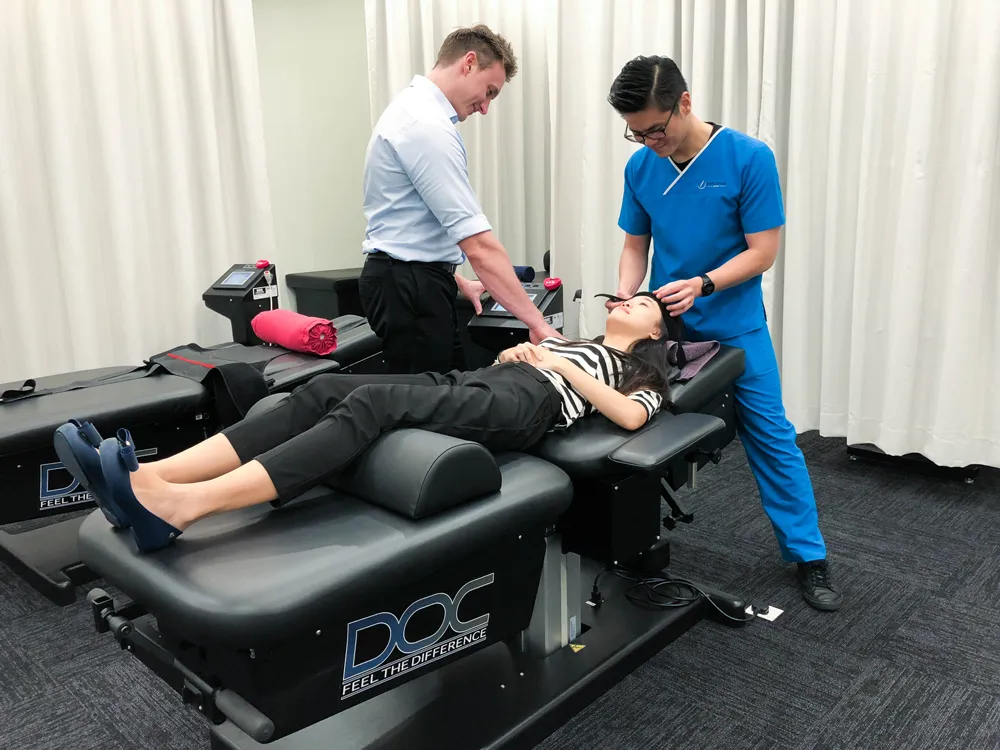
Spinal decompression is a traction-based therapy that uses a computer-controlled table to gently stretch the spine via a cyclical mechanism. This creates space between the vertebrae, relieving pressure on the discs and nerves and allowing increased blood flow, nutrients and fluids back into the affected area to support healing.
Treatment is typically structured as a course of sessions over around six to ten weeks, with the intensity of the stretch gradually increased over time. Sessions last up to around 15 to 20 minutes and are generally well-tolerated.
What Is Traditional Chiropractic Treatment?
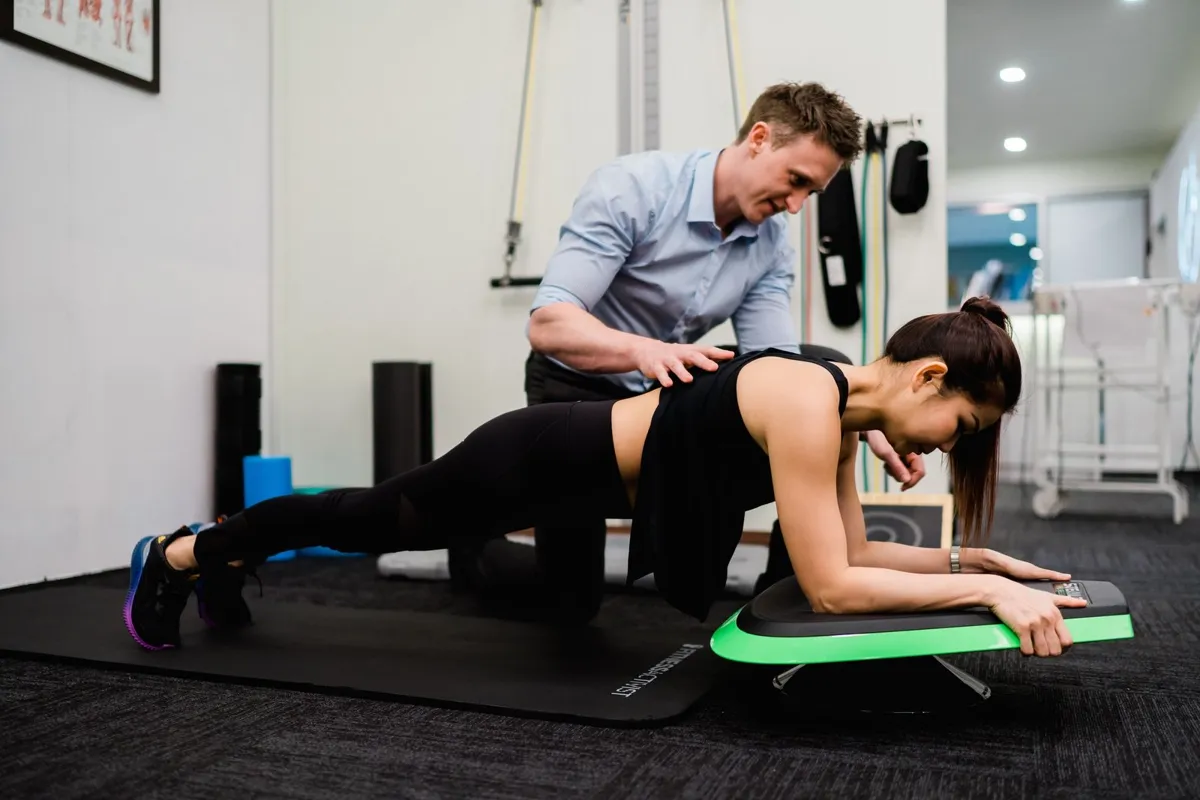
Chiropractic care is a hands-on therapy focused on restoring proper alignment and function throughout the spine and musculoskeletal system. A chiropractor uses a variety of manual techniques including spinal adjustments, joint mobilisations, soft tissue therapies and specific rehabilitative exercises tailored to your presentation.
Chiropractic care also extends beyond the treatment table. Patients receive guidance on posture, stress management and lifestyle habits to support their recovery and protect their spine over the long term. Learn more about our approach on our chiropractic care page.
How Do the Two Approaches Compare?
Both therapies have a strong track record, but they suit different needs. The table below outlines how they differ across key areas:
| Feature | Spinal Decompression | Traditional Chiropractic |
|---|---|---|
| Primary focus | Disc and nerve pressure relief | Spinal alignment, joint function and musculoskeletal health |
| Best suited to | Herniated, bulging or degenerative discs; sciatica; spinal stenosis | Joint dysfunction, muscle tension, postural problems and general spinal health |
| Treatment type | Passive (machine-assisted) | Active (hands-on with clinician) |
| Session length | Approximately 15 to 20 minutes | Varies; typically similar in duration |
| Treatment structure | Defined course over 6 to 10 weeks | Flexible, guided by ongoing progress assessment |
| Invasiveness | Non-invasive; no anaesthesia required | Non-invasive; hands-on manipulation |
| Can be combined? | Yes, the two therapies are frequently used together |
Which Is Right for You?
There is no single answer that applies to everyone. Here is a useful starting point:
- Consider spinal decompression if you are dealing with a specific disc condition such as a herniated or bulging disc, or nerve-related pain such as sciatica or symptoms related to spinal stenosis. Decompression therapy targets these issues directly by reducing intradiscal pressure.
- Consider chiropractic care if your concerns are broader, involving posture, joint mobility, muscle tension or general spinal health. It covers a wider range of musculoskeletal conditions and includes lifestyle guidance to support long-term recovery.
- Consider both if your condition involves both disc or nerve issues and wider spinal dysfunction. Combining the two is common and often produces better outcomes than either approach alone.
The most reliable way to find out which is right for you is to speak with a qualified clinician who can assess your condition and explain your options clearly. For evidence-based guidance on non-invasive treatments for back pain, the NIH National Library of Medicine offers peer-reviewed research on both spinal traction and chiropractic therapies.
Talk to the Team at Elite Spine Centres
At Elite Spine Centres, we offer both spinal decompression and chiropractic care, among other treatment options. Our team will take the time to understand your condition and put together a personalised plan designed to relieve your symptoms and support long-term recovery.
Call us on +65 6904 8400 or WhatsApp us on +65 9727 3603 to get started.

Frequently Asked Questions
Can spinal decompression and chiropractic care be used together?
Yes, and in many cases combining both produces better outcomes than either therapy alone. Spinal decompression can address disc and nerve pressure while chiropractic adjustments and soft tissue work help restore broader spinal alignment and function. At Elite Spine Centres, our clinicians regularly incorporate both into a single treatment plan where appropriate.
Is spinal decompression better than chiropractic care for a herniated disc?
Spinal decompression is often considered the more targeted option for herniated or bulging discs because it directly reduces intradiscal pressure. However, chiropractic care can also play a valuable role in managing disc-related symptoms, particularly by improving spinal alignment and reducing muscle tension around the affected area. A clinical assessment will help determine the best approach for your specific situation.
How long does each treatment session take?
Spinal decompression sessions typically last up to around 15 to 20 minutes. Chiropractic appointments vary depending on the techniques used and your needs, but most fall within a similar timeframe. Your clinician will let you know what to expect before treatment begins.
Are either of these treatments painful?
Neither should be painful. Spinal decompression produces a gentle stretching sensation that most patients find comfortable. Some patients experience mild soreness after chiropractic adjustments, similar to the feeling after exercise, but this typically passes quickly. If you are concerned about discomfort, speak to your clinician before treatment begins.
How do I know which treatment is right for me?
The best way to find out is through a proper consultation with a qualified clinician who can assess your condition, review your history and recommend the most appropriate course of care. At Elite Spine Centres, we will always explain what we find in plain terms and give you a clear picture of your options before anything begins.
Related treatment at Elite Spine Centres: Spinal decompression therapy.
Speak to a clinician about what is causing your pain.
Your first visit is a 60-minute session with a doctor — a full assessment and your first treatment in the same appointment. We take your clinical history, screen your posture and movement, explain what we find in plain language, and begin treatment if your condition is suitable for our care.